CSSCM 2026 workshop equips over 45 participants with computational research skills
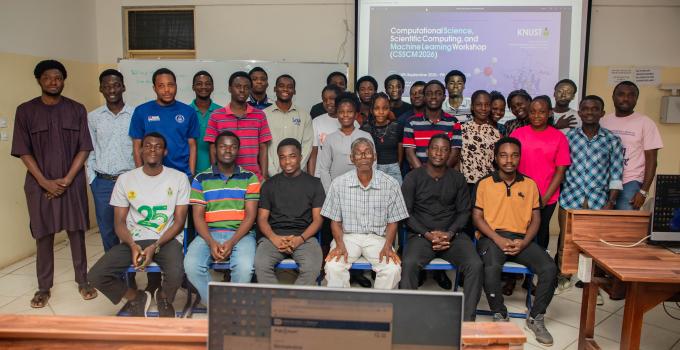
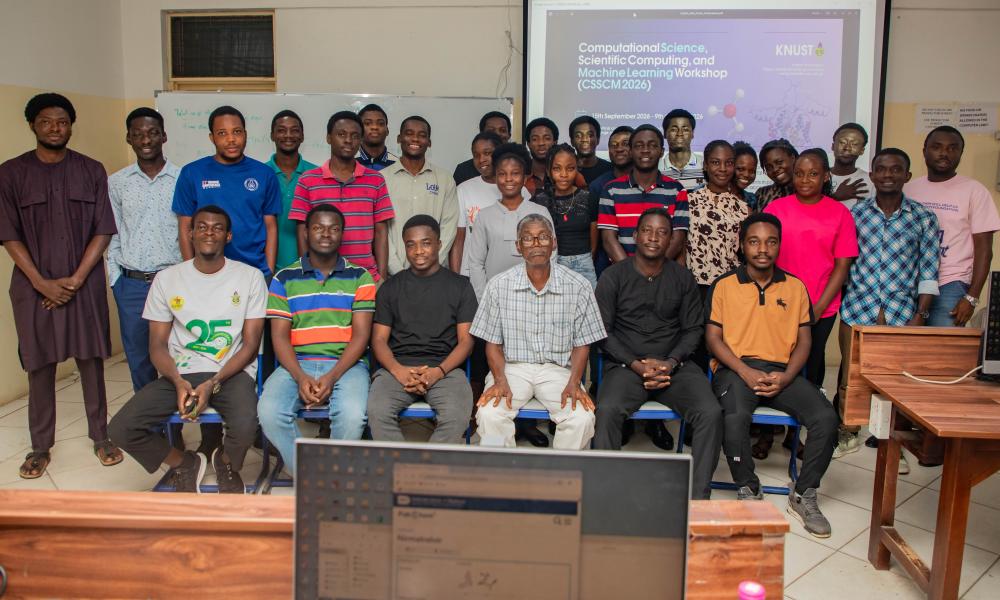
The Theoretical and Computational Chemistry Laboratory at the Department of Chemistry has equipped more than 45 participants with computational research skills through a training programme focused on scientific computing, machine learning and computational methods for research.
The four-week Computational Science, Scientific Computing and Machine Learning Workshop (CSSCM 2026) brought together participants from Ghana, Nigeria, Cameroon and India to strengthen their capacity to apply computational techniques to scientific and engineering problems.
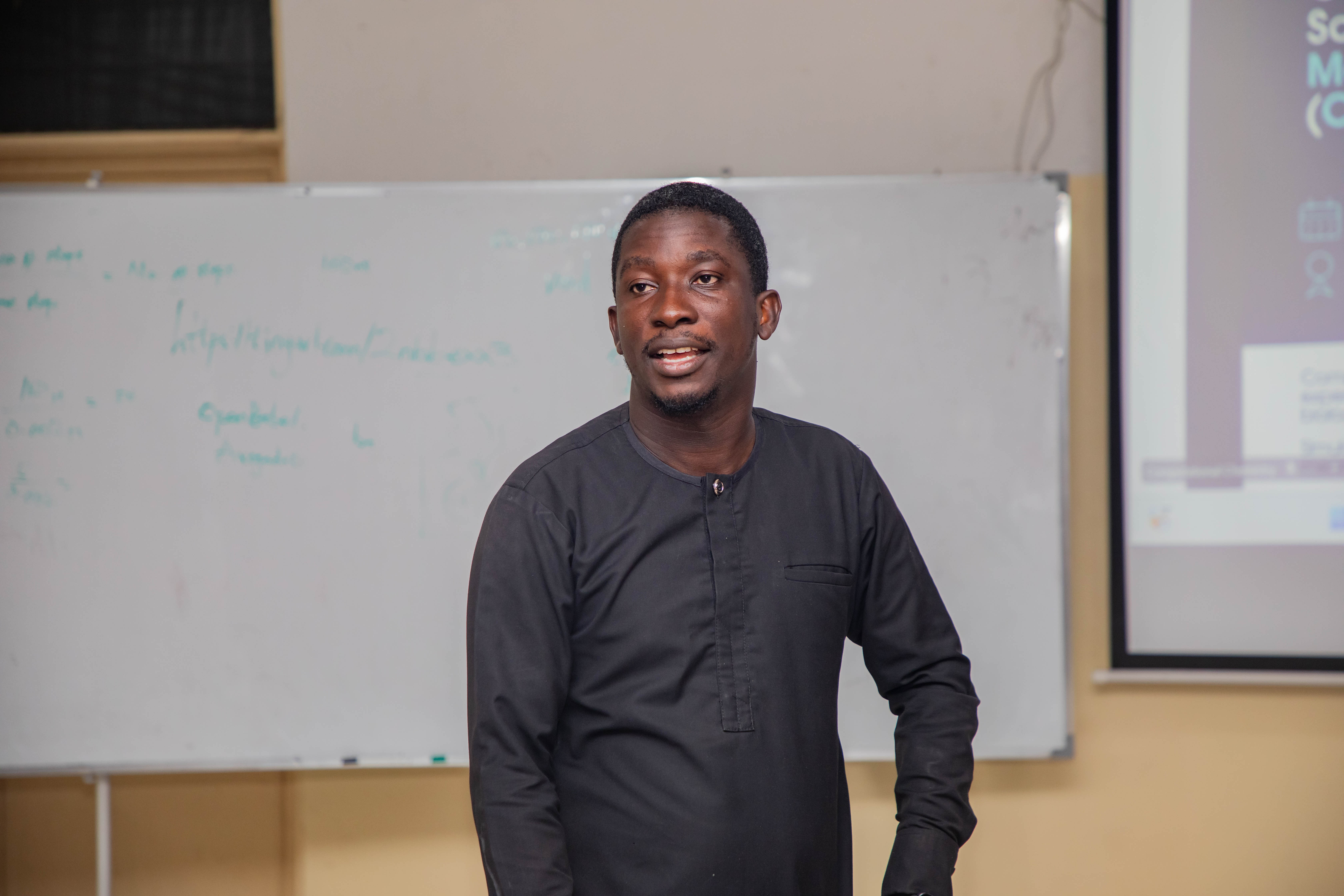
The programme covered Linux command-line operations, Python programming for scientific computing, machine learning for chemical science and engineering, and high-performance computing for research. Participants also explored electronic structure methods and their applications to homogeneous reactions and materials science and engineering, alongside statistical mechanics and molecular dynamics.
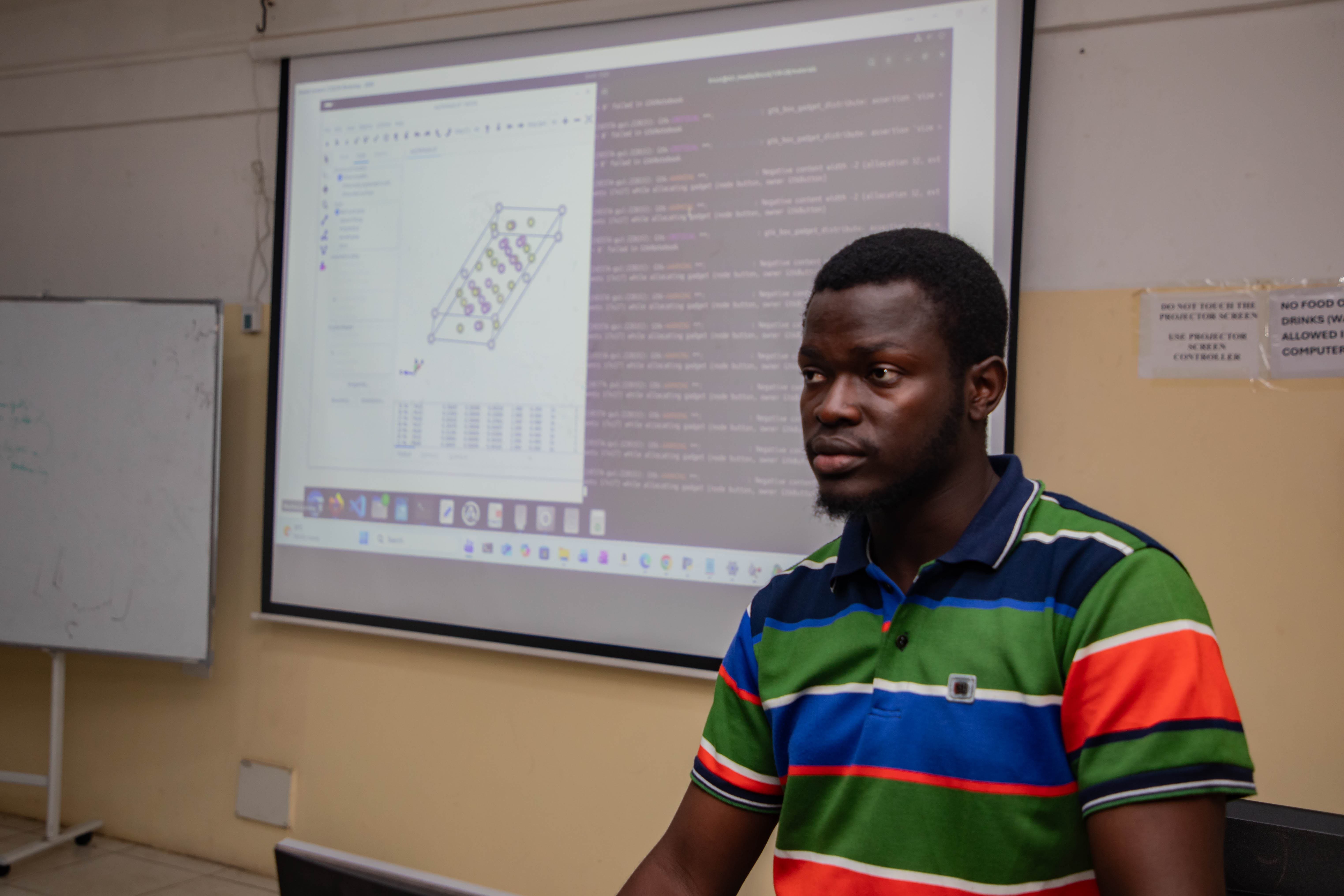
These techniques enable researchers to simulate molecular interactions, analyse complex data, model chemical processes and investigate material behaviour. They can complement laboratory experiments by helping scientists study systems that may be difficult, expensive or time-consuming to examine through experiments alone.
The workshop attracted professional scientists, engineers and students at different academic levels seeking to develop practical skills for computational research. Directors, lecturers and tutors from KNUST and collaborating institutions contributed to the programme, while female scientists were particularly encouraged to apply.
Participation was free of charge, an approach intended to broaden access to training in computational science and related research methods.
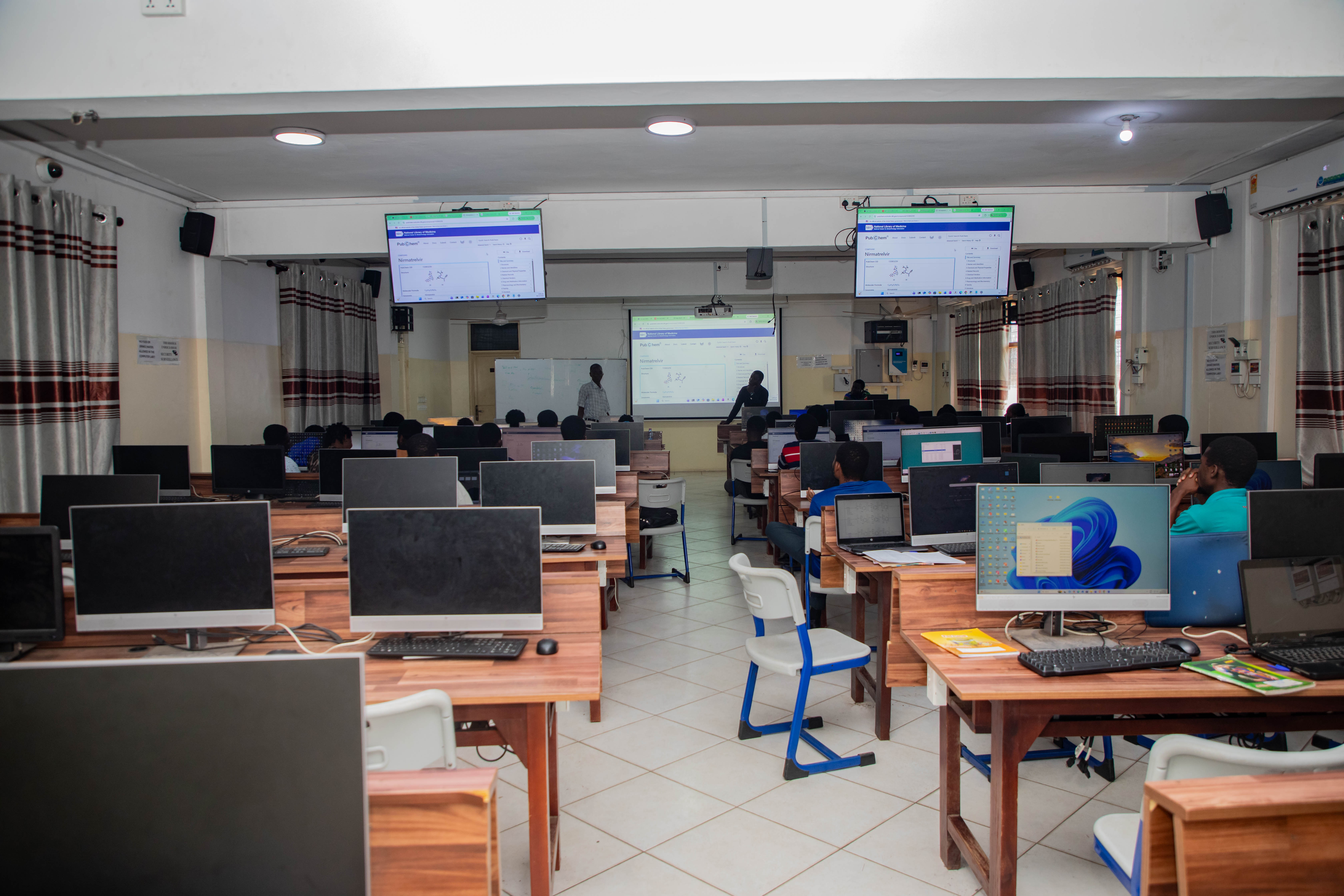
The initiative reflects growing efforts to strengthen computational research capacity by equipping scientists and students with tools to address complex research questions across chemistry, engineering, materials science and other scientific disciplines.
By combining scientific programming, computational modelling and machine learning, CSSCM 2026 sought to expand participants’ ability to apply simulation-based and data-driven approaches to scientific investigation.